Place To Visit

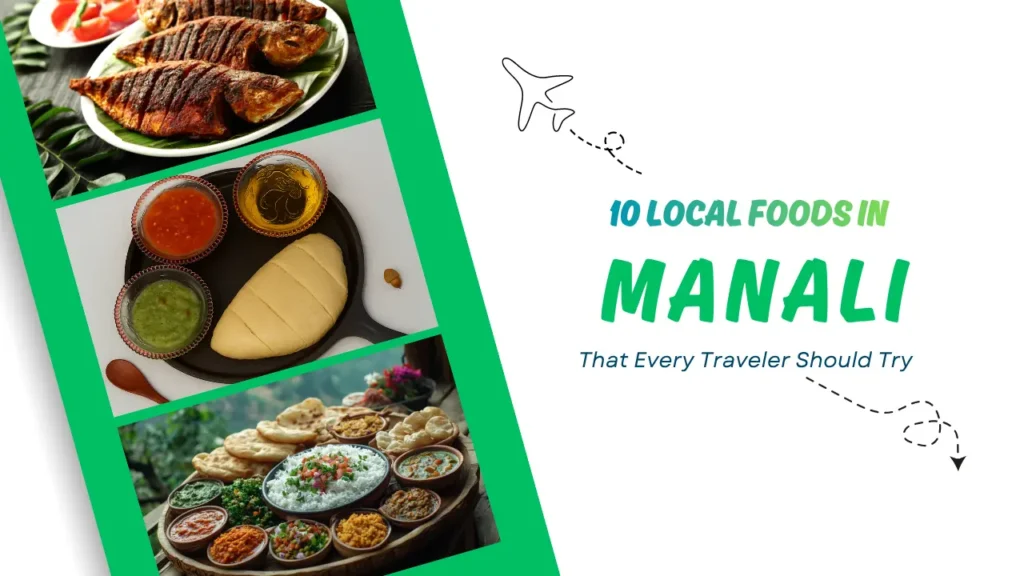
10 Local Foods in Manali
Place To Visit, Travel To Manali

10 Local Foods in Manali That Every Traveler Should Try

Every traveler who comes all the way to Manali spends days here and ends up eating the same dal chawal and pizza that they could’ve had anywhere. They never try the real local stuff. This is a kind of food that’s been passed down to generations and tells you stories about the place.     The real thing is, most people are not familiar with the local cuisine, and they miss out on what makes Himachal cuisine special.    So, to guide you, I have listed out the top 10 local foods in Manali that every traveler should try to get the real taste of Manali. Let’s go!    What Makes Manali’s Local Food So Special?   The local foods of Manali is shaped by mountains. The winters here are harsh, so the people need food that will keep them full and warm. You won’t find any fancy presentations or complicated recipes here.    What you’ll find is honest cooking that’s been perfected over generations. And the best part? Most of these dishes are hidden in small dhabas and local shops that tourists walk by. So, let’s get into the what to eat in Manali that actually show you what Manali tastes like.    Manali Food Guide: Best Traditional Foods to Try on Your Trip Sidu   If you try just one thing from this list, make it Sidu. It’s a wheat bread stuffed with poppy seeds (Khus khus) or walnuts (Akharot), then steamed until soft and fluffy. Sounds plain and bland, right? But the taste is something else.    It’s usually served with ghee dripping on top and some dal or mutton curry on the side. The nutty filling and soft texture make it perfect for cold mornings. Most traditional dhabas have it, but you might need to ask because it’s not always written on the menu board.   Manali’s Trout Fish   The trout here gets caught fresh from the Beas River – sometimes that same morning. The preparation is simple – it’s usually grilled or fried with basic spices and a squeeze of lemon. And that’s all it needs because the fish itself is that good.  Some places even let you go fishing and cook your catch right there. If you’re into fish at all, this is not negotiable. Several restaurants in Old Manali serve excellent trout, and it’s one of those things you really should try while you’re here.   Madra   This is what comfort food should be. Madra is a curry made with chickpeas (chana) or kidney beans (Rajma) in a yogurt-based gravy with spices like cardamom, cloves, and cinnamon. It’s creamy, tangy, and rich, and the kind of thing that you want to eat with hot rice on a cold day.     People usually make it for festivals, which tells you it’s special. Most places that serve traditional Himachali thalis will have Madra on the menu. Get it with some fresh roti and you’re set.  Babru Think of it as Himachal’s version of kachori, except better. It’s a flatbread stuffed with spiced black gram paste and deep-fried until golden and crispy. It is served with tamarind chutney; it’s got that perfect combination of crunchy outside and soft, spiced inside.    Locals eat it as an evening snack, and you’ll find it at sweet shops and small eateries rather than fancy restaurants. It’s cheap, fills you up, and once you have one babru, you’ll want another.  Aktori This is tricky to find because it’s traditionally made during the Himachali New Year in April. It’s like a festive cake made with buckwheat flour, wheat flour, and poppy seeds mixed with jaggery; it has a dense texture and earthy, nutty flavor that’s not overly sweet.   It’s harder to find outside festival season but try asking at homestays or local bakeries – sometimes they’ll make it if you ask nicely.  Thukpa After spending hours in the cold, walking around or trekking, you body starts craving something hot. And a bowl of Thukpa is exactly what you need. It’s a Tibetan noodle soup that has been a part of the local food scene here. It’s loaded with vegetables or meat and flavored with ginger, garlic, and spices.   The hot, savory broth warms you from the inside out. You’ll find Thukpa at Tibetan cafes and most restaurants, and it never disappoints.   Chha Gosht   If you eat meat, then don’t skip this. This lamb curry is cooked with yogurt and gram flour, giving it a unique tangy flavor. The lamb is slow-cooked until it’s fall-apart tender, and the gravy is thick and rich.   This is a winter dish that is meant to be eaten when the temperature drops. Traditional restaurants serve it in colder months. The combination of spices and tangy yogurt makes it different from any lamb curry you’ve had.   Tudkiya Bhath   This rice dish is cooked with lentils, potatoes, yogurt, and spices. It’s like a Himachali pulao – filling, flavorful, and pretty much a complete meal on its own.   Look for it at places serving traditional thalis. It’s practical mountain food that’s both nutritious and tasty.   Mittha After all the heavy food, you’ll need something sweet that hits the spot. Mittha is a sweet rice dish that is made with rice, sugar, dry fruits, and a touch of saffron. Usually served during festivals, it’s like a dessert rice pudding but less creamy and more fruity.   The combination of sweet rice with crunchy dry fruits makes it special. You can find it easily at any traditional restaurant or homestay, especially during festival times.   Kullu’s Apple-Based Treats   Manali is an apple country, and during the season, everything smells like fresh apples. You’ll find apple pie, apple strudel, apple juice, apple cider – basically everything apple.   The apples grown in Kullu Valley have a crisp, slightly tart flavor that’s different from store-bought ones. Head to any cafe in Old Manali for apple desserts. Get it warm. You can thank me later.  Also Read : 7 Offbeat Treks in Manali Only Locals Know About   Frequently Asked Questions (FAQs)  

Places To Visit in Ladakh
Place To Visit

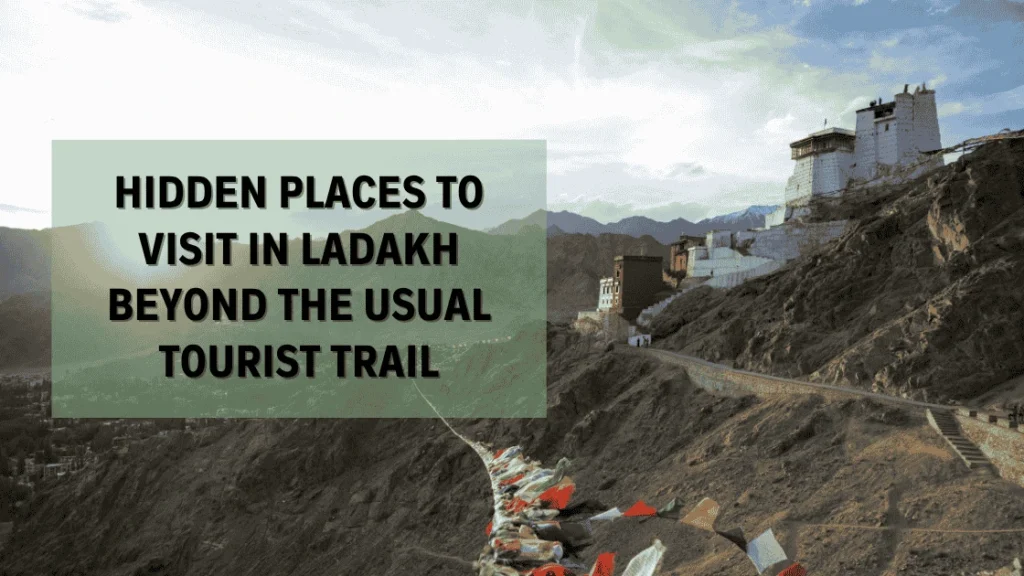
Hidden Places To Visit in Ladakh Beyond the Usual Tourist Trail

When people think of Ladakh, they imagine Pangong Lake, Nubra Valley, and magnetic hills. Beautiful? Absolutely. But trust me, there’s a whole other side of Ladakh that no one talks about. And I mean the kind that makes you feel like you’ve discovered a secret. Did you know that according to Ladakh Tourism 2023, over 2 lakh tourists visit Ladakh each year, but most only visit a handful of popular places. But here’s something not many people know that Ladakh covers around 59,000 square kilometres, yet most travellers explore only a tiny portion of it. That’s like walking into a palace and seeing only the living room! Just think about how much of Ladakh remains untouched and unseen. So, let me take you through some of the most underrated places to visit in Ladakh that totally changed my perception of this high-altitude wonderland. Why You Must Visit Ladakh’s Hidden Side? Let’s be honest. Most of the places to visit in Ladakh that you see on Google are either too crowded or overpriced. But the real Ladakh? That’s in the lesser-known corners, the hidden villages, monasteries on cliffs, and valleys where no tour buses go. Here’s why you should go off the grid in Ladakh: You beat the crowds: No honking cars, no waiting in lines for selfies. Just silence, nature, and fresh air. You experience true culture: Skip the souvenir shops. Meet locals. Eat real Ladakhi food. Sleep in traditional homestays. You save money: These spots don’t have “tourist pricing.” That homestay meal? Homemade, hearty, and under ₹200. You get next-level content: If you’re into vlogging, photography, or storytelling, these hidden spots offer unique visuals that haven’t been shot a million times. 7 Hidden Places to Visit in Ladakh That Blew My Mind Let’s cut to the chase. These are the places to visit in Ladakh that made me say, “Why doesn’t everyone know about this?” But hey, that’s what makes them special. 1. Turtuk – A Slice of Baltistan in India Turtuk is a unique village near the Pakistan border that only opened to Indian tourists in 2010. It’s part of the Baltistan region and offers a completely different vibe than the rest of Ladakh. You’ll see lush fields, wooden homes, and smiling locals with a distinct culture and language. Go to Turtuk if you want history, culture, and a surprising green oasis in the middle of rocky terrain. 2. Uleytokpo – For Stargazers and Soul Searchers Located around 60 km from Leh, Uleytokpo is ideal if you want a quiet break. Imagine camping by the Indus River, reading under poplar trees, and sleeping under the clearest night skies you’ve ever seen. Unlike other Ladakh tourist places, this one lets you slow down. Visit Uleytokpo if you’re after silence, stargazing, and soulful reflection. 3. Hanle – The Final Frontier of Peace and Stars This one’s for the true explorers. Hanle is home to the world’s highest astronomical observatory. It’s way out in the Changthang region, and the trip is a long one, but worth every mile. At night, the stars light up like a planetarium. You don’t need a telescope to see the Milky Way. If you want remoteness, science, and silence in one place, Hanle is unbeatable. 4. Dha & Hanu – Where the Brokpa People Live These villages near the Batalik sector are home to the Brokpa folks, a community that has preserved its ancient Aryan heritage. The people here wear colorful flower headgear and have unique customs and features. Going to Dha-Hanu feels like stepping into a time capsule. Choose this if you’re curious about ancient unions, anthropology, and rare cultural gems. 5. Zanskar Valley – The Raw, Wild Heart of Ladakh Zanskar is remote and rugged, and that’s exactly what makes it beautiful. It takes effort to reach, with rough roads and long hours, but what you get in return is peace, dramatic landscapes, and monasteries like Phugtal that are literally built inside caves. Go here for treks, river rafting, or just to lose yourself in this wild Ladakh tourist place. 6. Chumathang – Ladakh’s Natural Hot Tub Halfway between Leh and Tso Moriri, this village offers natural hot springs that feel like heaven when the outside temperature is freezing. The water stays warm all year, and the steam rising in the cold air looks magical. You can bathe here, eat local food, and just relax. Visit Chumathang for natural healing, offbeat vibes, and a cozy stay. 7. Basgo – A History Buff’s Dream Only 40 km from Leh, Basgo is often skipped in favor of more famous spots. But it has ancient monasteries and fort ruins with incredible murals and views over the Indus Valley. If you’re into history, architecture, or photography, this place is a hidden treasure. Visit early morning for the best light and the quietest moments. Also Read : Top 10 Places to Visit in Manali How to Get to These Places? Start from Leh. No matter where you’re coming from, Leh is your base to visit any Ladakh tourist places. Flights are available from Delhi, Srinagar, and Chandigarh. From there, you can either hire a private cab (costlier but flexible) or rent a bike (adventurous and budget-friendly). Plan your permits. Places like Hanle, Turtuk, and Chumathang require Inner Line Permits. You can get these online or through travel agents in Leh. Factor in travel time. Most hidden places are 6–12 hours away. That’s the price you pay for exclusivity. But trust me, it’s worth every bumpy ride. Important Tips While Visiting Ladakh temperature can drop below 0°C even in summer. Dress in layers, especially for high-altitude places like Hanle and Zanskar. Network is patchy at best. Jio and BSNL are your best bet, but don’t count on connectivity. Cash is king. Outside Leh, ATMs are rare. Carry enough for your whole trip. Respect the locals. Many areas are culturally and religiously sensitive. Dress modestly and ask before taking photos. Avoid plastic and leave no trace. Let’s keep Ladakh clean

Road Trip to Sissu Manali
Place To Visit

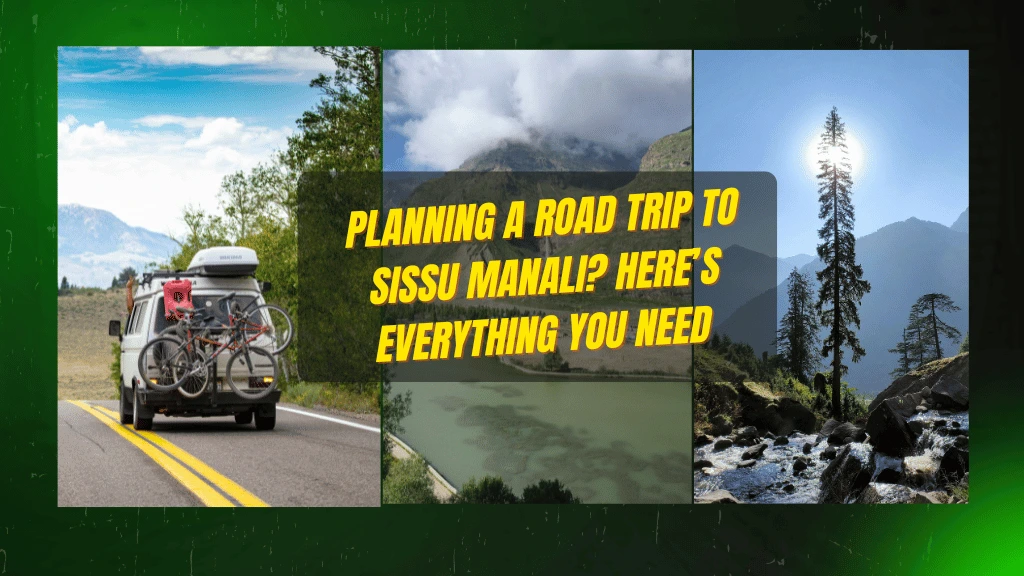
Planning a Road Trip to Sissu Manali? Here’s Everything You Need

Ever felt like you needed to press a pause button on life? Like, really press pause and just breathe for a moment? If yes, then you definitely need to visit Sissu. It’s a tiny village in Lahaul Valley where most people zoom past without even stopping.   I came across Sissu during one of my road trips from Manali, and the place hit different. It’s kind of different when you just sit there, stare at the mountains, and forget all about your stress.   So, if you’re someone who is planning a road trip and wants a special experience, then Sissu is calling your name. I’ve put together this whole sissu travel guide, where I’ll talk about everything that you need to know about Sissu.   Let’s get into it.  What Makes Sissu Special?  Sissu isn’t your typical hill station that is filled with fancy cafes or crowded markets. It’s quiet and peaceful and that’s exactly why this place is perfect. Here you’ll get:  A view of a gorgeous waterfall flowing right through the village.  The Chandra River runs alongside with crystal clear water.  Snow-capped peaks surrounding you from every angle.  Silence that actually feels good.  Locals who are genuinely warm and welcoming.  While Manali and Solang are filled with tourists, Sissu just sits there, peaceful and untouched. It’s the kind of place where you can actually hear yourself think.  The Sissu Manali route is one of the most beautiful drives in Himachal and that’s not a lie.  How To Reach Sissu from Manali?  Getting to Sissu is easier than you think. Here’s everything that you’ll need to know about the route:   Manai to Sissu Distance: About 40 kilometers drive from Manali  Time: 1.5 to 2 hours (depending on stops and road conditions)  Road: Manali-Leh Highway via Atal Tunnel  Here’s the step-by-step route instructions that you can follow:  Head towards Rohtang Pass from Manali  Sissu tunnel route – Drive through the Atal Tunnel Once you exit the tunnel, Sissu is just 5 kilometers ahead  You’ll see the village on your left with the waterfall  The Atal Tunnel has made this trip so much easier. It was opened in 2020 and before that, you had to cross Rohtang Pass which meant the route was closed for almost six months during winter. Now you can visit Sissu any time of the year, and the drive is safe.   But before you start planning your trip, here are few important things that you should know:  You’ll need to pay a toll fee at the Atal Tunnel (around ₹50- ₹500 for cars, but check current rates).  Keep your ID proof handy as there are checkpoints.  Network coverage gets patchy after the tunnel, so download maps beforehand.  There are a few dhabas and rest stops along the way if you need a break.  When is the Best Time to Visit Sissu?  Sissu looks different in every season, so it really depends on what kind of experience you’re after. Let me break every season down for you:   Summer (April to June)  This is the most popular time, and for a good reason. The overall temperature ranges from 15°C to 22°C during the day, and the weather is at its best.   Roads are in great condition, hostels are open, and you can explore without worrying about extreme cold. This time is perfect for you if it’s your first trip or if you’re traveling with your family.   Monsoon (July to August)  I’m going to be honest with you, skip monsoon if you can. The roads become slippery and dangerous, landslides are pretty common on the Manali-Sissu route, and the weather is unpredictable.   Most locals will advise against traveling during this time. If monsoon is your only option, be extra careful and keep checking weather updates constantly.  Autumn (September to November)  This is honestly my personal favorite time to visit Sissu. The crowds thin out, but the beauty stays. After the monsoon weather everything looks vibrant and fresh. The temperature stays around 10°C to 18°C.   There are way less tourists compared to summer months, and it’s a great time to click pictures. The Sissu temperature during these months is just right, not too hot, not too cold.   Winter (December to February)  Winter in Sissu is not for everyone, but if you love snow and can handle the cold, it’s absolutely magical. Everything gets covered in a thick blanket of snow, and the village looks like something out of a fairytale. The temperature drops to 0°C during the day and -5°C to -10°C at night.   You’ll need winter driving experience and proper equipment to travel on the road, and some hotels might be closed, so book ahead. Winter in Sissu is beautiful but demanding.  The Sissu temperature and weather change by season. So, pick the time based on your comfort level and what you want from the trip.  Also Read This : Top 10 Places to Visit in Manali for an Unforgettable Adventure Things to Do in Sissu?  If you’re in Sissu I’ll advise don’t just tick off places from your list or rush from one spot to another. Just slow down and be there for the moment. Here are few things that you can do there instead of just finding popular places:   Visit the Sissu Waterfall  This one is a must. The waterfall flows right through the village, and the mountain view in the background is really beautiful. You can get pretty close to the waterfall, and the sound of the water is so calm.  Walk Along the Chandra River There’s something peaceful about walking by the river with mountains around you. There is no fit trail; you can just freely explore that river and enjoy the overall vibe.   1. Photography  If you love taking photos, make sure to bring your camera. Every corner of Sissu is worth capturing. Whether it’s the village houses, the snow-covered mountains or the waterfall.  2. Just Relax  Seriously. Sit outside with a cup of chai. Watch the clouds move. Listen to the river. That’s what Sissu

Kheerganga Trek
Himalayan Treks, Place To Visit

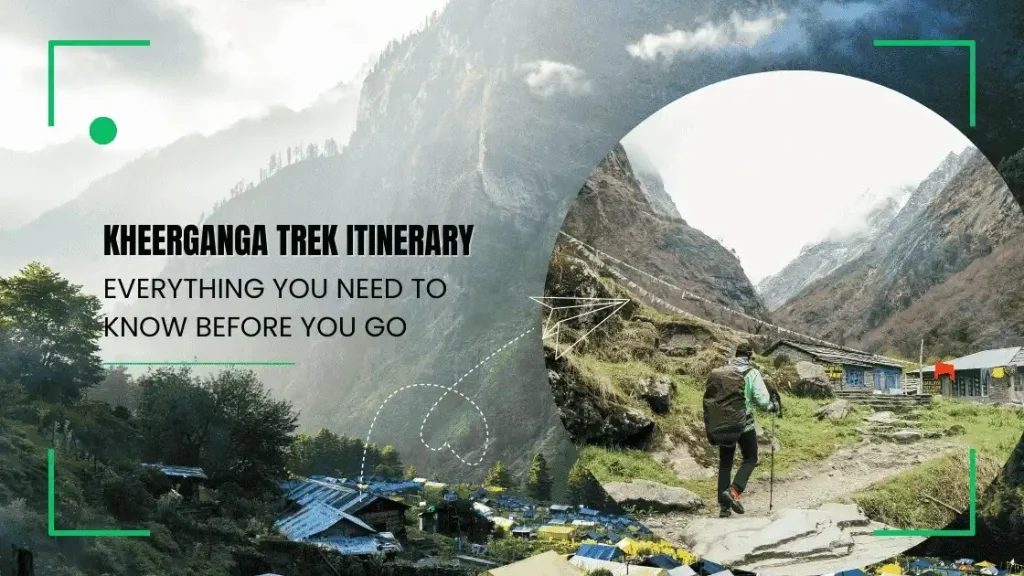
Kheerganga Trek Guide: Everything You Need to Know Before You Go

Looking for a trek the himalayas that’s not too wild but still provides you with that “wow, I’m in the Himalayas!” feeling? Let me introduce you to the Kheerganga trekking, a picturesque getaway hidden away in the lovely Parvati Valley of Himachal Pradesh. It’s not only a hike; it’s an entire atmosphere. Imagine dense pine woods, cascading waterfalls, foggy paths, and the icing on the cake, a natural hot water spring, all yours at the summit. If you’re either a beginner trekker or simply someone who wants to leave the madness of city life behind, Kheerganga in Parvati Valley is there for you. Before you set off packing your bags, let’s dissect the Kheerganga trek itinerary, how challenging it actually is, when to visit, and all else you’ll want to know. Where is Kheerganga? Kheerganga lies nestled within Parvati Valley, close to Kasol. It’s the type of location where photos on Instagram fall short of giving it justice. The most common way to arrive here is via a trek, and honestly speaking, that’s half the beauty of it all. The approach is as good as the location itself. What is the Altitude? The Kheerganga height is around 2,960 meters (or 9,711 feet). Once you’re up there, you’ll be treated to panoramic views of the Parvati Valley, plus the iconic hot water spring that makes all the effort feel totally worth it.   How Long is the Trek and Is It Tough? Let’s discuss the Kheerganga trek distance first. It’s approximately 12 kilometers (one way) from Barshaini, the starting point. Most individuals take around 4 to 6 hours to get to the summit, depending on their speed and the number of chai breaks they make during the journey. Is it hard? Not at all. It’s rated easy to moderate, so if you can manage a good walk and some incline, you’re set. The path is well-signposted, and there are loads of little cafés where you can stop for a break or a snack. When to plan your Kheerganga adventure? The most favorable months are between April and June or from September to November, when the skies are clear, the trails are safer, and nature is at its finest. Here’s a quick seasonal breakdown: April to June: Cloudless sky, lush greenery in bloom, perfect weather for newbies. July to August: Abundant monsoons = slippery tracks. Avoid. September to November: Snappy winds, beautiful scenery, and fewer crowds. Winter (Dec–Feb): Snow adds beauty but also makes the trek harder. Only go if you’ve got some experience in snow trekking. How to Get There? Planning your journey to the base point is just as important as the trek itself. Here’s how to reach the starting point of the Kheerganga trek smoothly, whether you’re coming by road or air. Arrive at Bhuntar by bus or air (nearest airport). From Bhuntar, take a local bus or taxi to Barshaini. It is also popular to spend one night in Kasol or Tosh to rest before the trek. A Simple Kheerganga Trek Itinerary (2 Days, 1 Night) Here’s a no-fuss plan that most people follow: Day 1: Barshaini to Kheerganga Start early from Barshaini (around 9–10 AM). You can choose from three routes: Nakthan (popular and scenic), Kalga (through the forest), or Tosh (connects midway). Enjoy the journey—expect waterfalls, chirping birds, and random mountain dogs tagging along. Reach Kheerganga by late afternoon. Chill in the hot spring, watch the sunset, and spend the night in a tent under the stars. Day 2: Kheerganga to Barshaini Wake up early to the sound of nature (no alarm needed). Have breakfast, maybe one last dip in the spring. Start your descent and head back to Barshaini. From there, you can return to Kasol or continue exploring. What to Pack? Keep it simple and functional. Here is your mini checklist: Good trekking shoes (don’t skip on this) Warm clothing (it gets cold at night) Raincoat or poncho Water bottle and snacks Sunscreen, hat, and sunglasses ID card and a bit of money (no ATMs past Kasol) Power bank and torch A small backpack to pack the above What are the Food and Stay Options? You will get simple food stalls along the trek, such as Maggi, parathas, chai, and even Nutella pancakes. There are campsites at the summit with tent overnight stays that provide dinner and breakfast. It is not luxury, but it’s warm, it’s cozy, and quite frankly, part of the appeal. A Few Tips Before You Go Before you set off on your Kheerganga trek adventure, it helps to keep a few practical tips in mind. These small things can make your journey smoother, safer, and way more enjoyable, especially if it’s your first time trekking in the Parvati Valley. No network at the top. Enjoy the digital detox. Don’t trek in the monsoon, it’s not worth the risk. Please don’t litter. Bring a small bag for your trash. Be respectful to the locals and fellow trekkers. Keep the noise low and vibes good. Begin early in the day so you have lots of daylight. Why People Keep Going Back to Kheerganga? It’s the sort of place that provides peace in a noisy world. Whether it’s the scenery, the individuals you encounter, or simply the quiet of nature, it all adds up to something special. From the easy hillside tracks to relaxing in that hot spring surrounded by snow all over, the Kheerganga trek is not only a physical hike. It’s spiritual, emotional, and rejuvenating in a way that’s difficult to describe unless you’re an experience-taker rather than just a sight-seer. If you’re organizing a larger Himachal vacation, websites like traveltomanali.com have plenty of information to assist you in route planning and infusing more magic into your mountain getaway.   Frequently Asked Questions (FAQs)   Can beginners do the Kheerganga trek? Yes, 100%! It’s one of the best treks for beginners. As long as you’re comfortable walking for a few hours and don’t mind a bit of uphill, you’ll do

Places to Visit in Manali 
Place To Visit, Travel To Manali

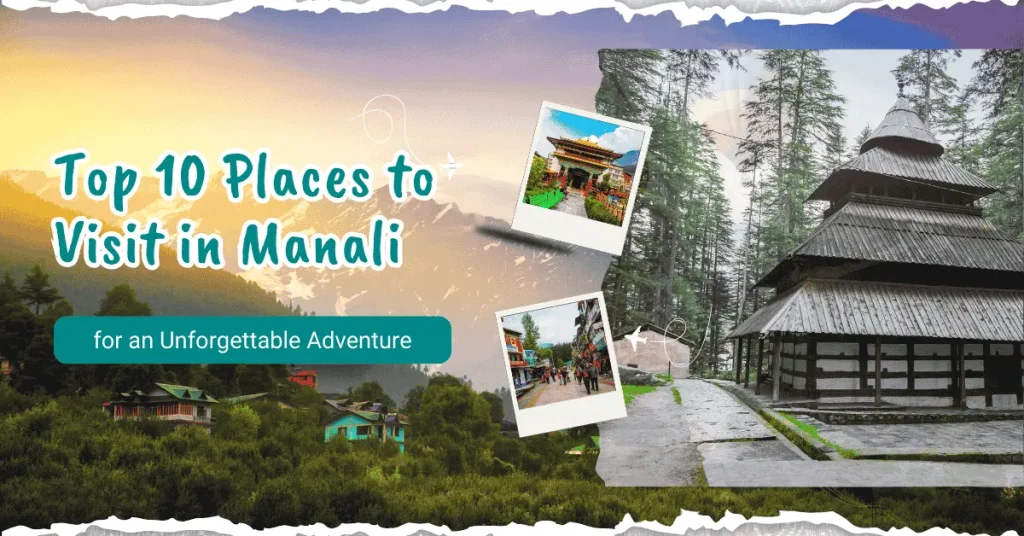
Top 10 Places to Visit in Manali for an Unforgettable Adventure

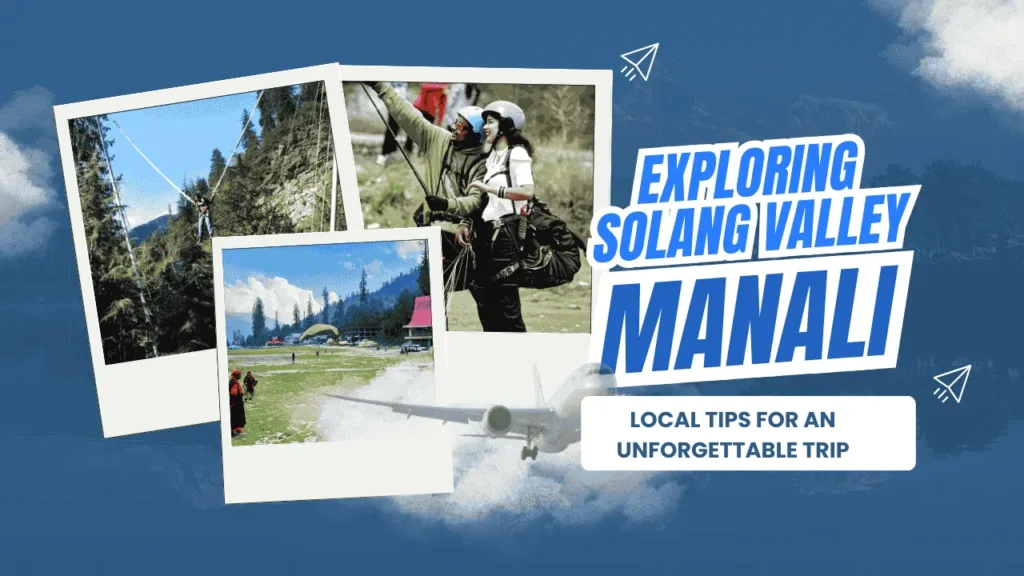
Manali is among those places that seem almost like a dream. The place feels perfect with the majestic mountains, unforgettable Manali weather, lush valleys, and crispy mountain air all around you. It’s perfect for whoever wants to explore adventure along with beauty. If you are someone who is a thrill-seeker or just wanting to explore nature’s wonders, Manali can satisfy everyone’s thirst. So, let me take you to the top 10 places to visit in Manali that you will absolutely love.  Top 10 Places to Visit in Manali    Do you know that every year more than 2 million tourists visit Manali from other states of India and even from other countries as well. But why? Because of unforgettable places to visit in Manali. And if you are planning to visit this haven, then here are the list of top 10 places in Manali that you cannot and should not skip.  Solang Valley If adventure is your thing, then Solang Valley should be your first destination. It is located about 13 kilometers from Manali and is best for its adventure activities like skiing, paragliding, river crossing, mountain bike, zorbing,  horse riding etc. During winter, it is covered with snow, so you can witness the panoramic view while riding the cable car. However, make sure you visit early in the morning to avoid the rush hours.    Rohtang Pass Rohtang Pass is an absolute must-visit place. Rohtang Pass is approximately 50 kilometers from Manali and can be reached via the Manali-Keylong road but make sure you have the necessary permits before heading out. You can experience snow games such as sledging and snow biking there. Check out Manali weather before heading to this destination, as this pass gets shut down during heavy snowfall.   Hadimba Devi Temple A good blend of spirituality and history, the Hidimba Devi Temple is an ancient wooden temple within walking distance from Manali’s main market and is surrounded by dense cedar forests. Very fascinating because of it’s history, dedicated to Goddess Hidimba, the wife of Bhima from the Mahabharata, dates back to 1553 AD. The temple’s intricate carvings and unique architecture are the main attraction here. There are also many small stalls nearby selling souvenirs and snacks.   Beas River The Beas River is one of the top 10 places to visit in Manali if you are looking for river rafting or quiet riverside picnicking. The gushing waters, against the background of snow-capped mountains, have created an incredible atmosphere here. Do not forget to visit for rafting in summers.   Old Manali Dedicated to Sage Manu, this temple is a must visit in Manali. Located at Old Manali, this commands an excellent view of the adjacent mountains. You can reach it via short uphill walk. The walk towards the temple is peaceful while giving you a glimpse into Manali’s culture. However, I will advise you to wear modest clothing as it is a place of worship.   Jogini Waterfalls There’s a short trek from the main town leading you to Jogini Waterfalls. It is located near Vashisht Village, about 3 kilometers from Manali. The trek to the falls begins at Vashisht and takes approximately 1-2 hours, passing through scenic apple orchards and pine forests. That’s one of my favourite spots for quiet time among nature.   Manu Temple Dedicated to Sage Manu, this temple is a must visit in Manali. Located at Old Manali, this commands an excellent view of the adjacent mountains. The walk towards the temple is peaceful while giving you a glimpse into Manali’s culture.   Vashisht Hot Springs It’s the perfect relaxation after a day of explorations-soaking in natural hot springs at Vashisht. The waters are full of minerals, and there is a curative quality to them as well. It is perfect for rejuvenation before going on your next adventure.   Naggar Castle Naggar Castle, 20 kilometers of a drive from Manali, is one good historical place to see and can be reached by car or taxi. This heritage structure is actually a blend of Himalayan and European architecture. Inside the castle, you can explore a small museum showcasing artifacts and paintings. It’s also a great place for people interested in knowing more about the region and great pictures.   Great Himalayan National Park It is the dream destination for all nature lovers, the Great Himalayan National Park, identified as a UNESCO World Heritage Site for diverse flora and fauna. It has all that a trekker or a camper would want, well-marked trails suitable for various difficulty levels. But you are required to obtain permits to enter the park. This place is truly magical, as it is untouched and protected.   Bonus Tips for Exploring these Places in Manali    Now that you are all set to explore Manali in a best way possible. But I have some bonus tips that can make your Manali trip very smooth and more memorable. Pick the Right Season: Manali has its charm throughout the year, but if you are looking for snowfall and winter activities, plan your trip during the months of November to February. For lush greenery and adventure sports, April to June is perfect. Pack Accordingly: Always pack your warm clothes, even if it is summer, as you can get chilly in the evening. Comfortable shoes are a must when going for places like Jogini Falls or trekking up to Beas Kund. Book Permits in Advance: Some places, such as Rohtang Pass, require permits before visitation. Booking these well in advance will save you all that last-minute hassle. Take Local Advice: Local guides can enrich your experience with their knowledge about the top 10 places to visit in Manali. They’ll often share hidden gems and cultural stories that can add more to your adventure stories.  Be Adventurous: While the famous spots are a must-visit, don’t skip lesser-known places like Old Manali or Sethan Village for a peaceful and unique adventure. Conclusion    These top 10 places to visit in Manali bring together

Scroll to Top